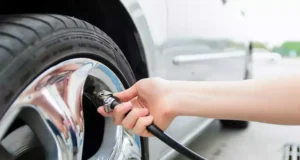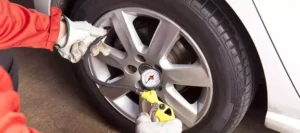





Are tire valve caps really necessary? You may have asked yourself this question while filling up your car’s tires or browsing through the automotive section of a store. While they may seem like small, insignificant components, tire valve caps actually play a crucial role in maintaining safe and efficient driving. In this blog post, we will explore the purpose of tire valve caps and why they are important, the risks and consequences of driving without them, different types of tire valve caps and their advantages, how to properly install and maintain them, and common misconceptions about their validity. We will also address questions such as whether tire valve caps affect tire pressure and fuel efficiency, and the correlation between tire valve caps and tire wear. So, let’s dive in and answer the age-old question: are tire valve caps necessary?
Are tire valve caps necessary?
The purpose of tire valve caps and why they are important:
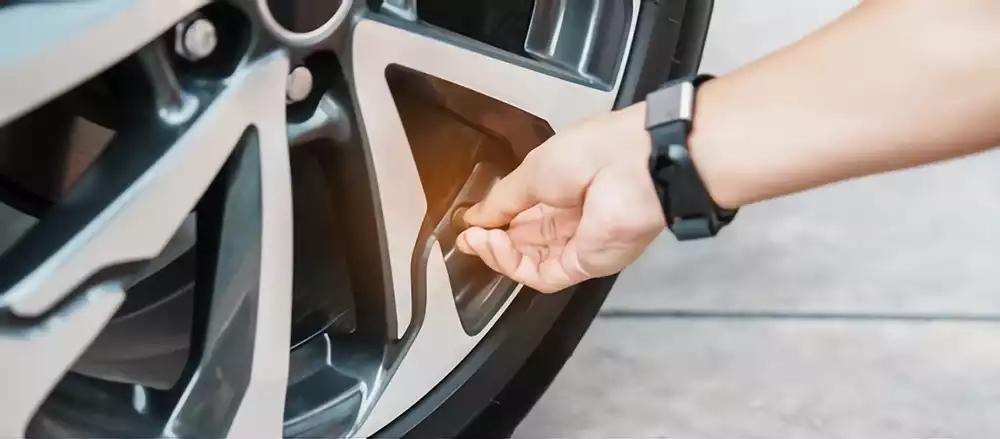
Tire valve caps are small, often overlooked components that are screwed onto the valve stem of a tire. Their primary function is to prevent air leakage from the tire, which helps to maintain the recommended tire pressure. This is important because proper tire pressure is critical for safe and efficient driving. Tire valve caps also protect the valve stem from dirt, debris, and moisture that can cause corrosion and damage.
The risks and consequences of driving without tire valve caps:
Driving without tire valve caps can lead to a number of problems, including air leakage, corrosion of the valve stem, and contamination of the valve core. This can lead to uneven tire wear, reduced fuel efficiency, and even tire failure. Additionally, without a tire valve cap, the valve core is exposed to dirt and debris, which can cause the valve to become clogged and result in difficulty inflating or deflating the tire.
Different types of tire valve caps and their advantages:
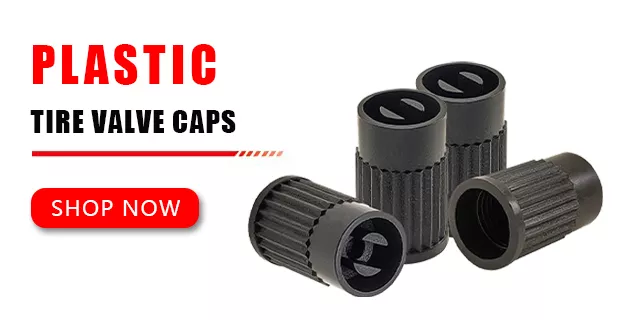
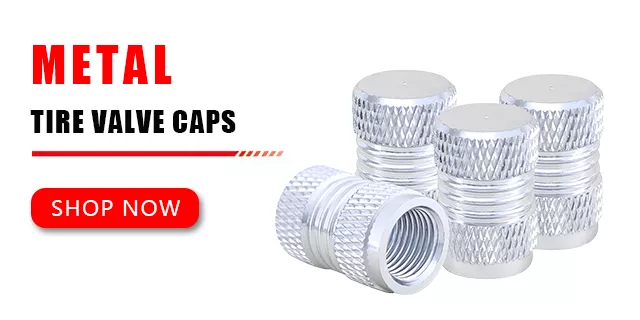
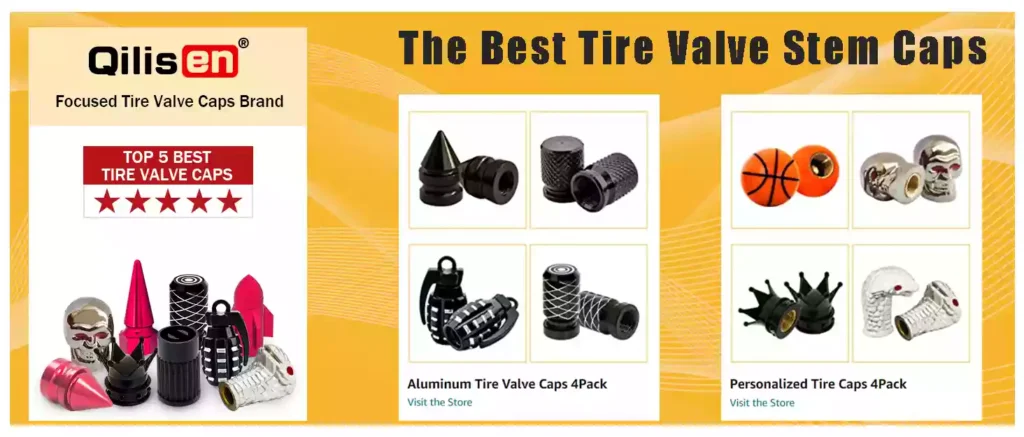
There are several types of tire valve caps available on the market, including plastic, metal, and decorative caps. Plastic caps are lightweight, inexpensive, and come in a variety of colors. Metal caps are more durable and often come with features like rubber gaskets to prevent air leakage. Decorative caps can add a personal touch to your vehicle and come in various designs and styles.How to properly install and maintain tire valve caps:
To install a tire valve cap, simply screw it onto the valve stem until it is snug. To maintain the cap, periodically check for cracks or signs of wear and replace if necessary. It is also important to check the tire pressure regularly and ensure that the valve caps are properly installed and tightened.Can tire valve caps affect tire pressure and fuel efficiency?
While tire valve caps themselves do not affect tire pressure or fuel efficiency, their presence can help to maintain the recommended tire pressure, which can improve fuel efficiency and prolong tire life.The correlation between tire valve caps and tire wear:
Properly installed tire valve caps can help to prevent air leakage and maintain the recommended tire pressure, which can lead to more even tire wear and prolong the life of the tire.How tire valve caps protect against debris and dirt:
Tire valve caps provide a barrier between the valve stem and dirt, debris, and moisture, which can cause corrosion and damage to the valve stem and valve core.The role of tire valve caps in preventing tire punctures:
While tire valve caps do not prevent punctures, they can help to maintain proper tire pressure, which can reduce the risk of a tire puncture caused by underinflation.What to look for when purchasing tire valve caps:
When purchasing tire valve caps, consider factors such as material, durability, and design. Look for caps made of durable materials like metal or high-quality plastic, and ensure that they fit securely onto the valve stem. Additionally, consider the design and style of the cap to ensure that it complements your vehicle.Common misconceptions about tire valve caps and their validity:
One common misconception about tire valve caps is that they are purely decorative and serve no functional purpose. However, as outlined in the previous points, tire valve caps are essential for maintaining proper tire pressure and protecting the valve stem from damage.
The 3 examples that demonstrate the benefits of using tire valve caps:
Improved Fuel Efficiency:
Properly inflated tires with valve caps in place can increase your vehicle’s fuel efficiency by up to 3%. This is because underinflated tires can cause your engine to work harder and burn more fuel, resulting in decreased fuel efficiency. By maintaining proper tire pressure with valve caps, you can save money on gas and reduce your carbon footprint.
Prevents Corrosion and Damage:
The exposed valve stems of your tires are vulnerable to dirt, dust, and moisture. These contaminants can cause corrosion and damage to the valve stem, leading to air leaks and tire failure. By using valve caps, you can protect your valve stems from the elements and ensure your tires maintain their proper pressure.Longer Tire Life:
Tires that are consistently underinflated or exposed to the elements can wear down faster and need to be replaced more frequently. By using valve caps and maintaining proper tire pressure, you can extend the life of your tires and save money in the long run. Proper tire pressure also ensures that your tires wear evenly, which can further prolong their lifespan.

Common questions and answers related to tire valve caps:
What are tire valve caps?
A: Tire valve caps are small caps that cover the valve stem of your tire to protect it from dust, dirt, and moisture.
Are tire valve caps necessary?
A: Yes, tire valve caps are necessary because they help maintain proper tire pressure, prevent corrosion and damage to the valve stem, and extend the life of your tires.Do tire valve caps affect tire pressure?
A: No, tire valve caps do not affect tire pressure as long as they are properly installed and tightened.Can I drive without tire valve caps?
A: While it is technically possible to drive without tire valve caps, it is not recommended because it exposes the valve stem to the elements, increasing the risk of corrosion and damage, and can lead to decreased tire pressure.What are the different types of tire valve caps?
A: There are several types of tire valve caps, including plastic snap-in caps, metal screw-on caps, and decorative caps.How do I install tire valve caps?
A: Installing tire valve caps is simple – just screw or snap them onto the valve stem of your tire. Make sure they are tightened securely to prevent air leaks.Do tire valve caps affect fuel efficiency?
A: No, tire valve caps do not directly affect fuel efficiency. However, maintaining proper tire pressure with valve caps can improve fuel efficiency by up to 3%.How often should I check my tire valve caps?
A: It’s a good idea to check your tire valve caps regularly to make sure they are in place and properly tightened. You can include this as part of your routine tire pressure checks, which should be done at least once a month.
If you crave more tire valve cap buying guide, classified by individual needs, do not forget to check out the related articles:
– Tire Valve Caps Comparison for Design
– Tire Valve Caps Comparison for Material
Learn the basics about Tire Valve Caps Types and Tire Valve Caps Buying Guide.
If you need more information, check out the articles about best tire valve cap:
– Top 10 Best Sell Tire Valve Caps
– Best Tire Valve Caps Rated for Design
– Best Tire Valve Caps Rated for Plastic
– Best Tire Valve Caps Rated for Metal