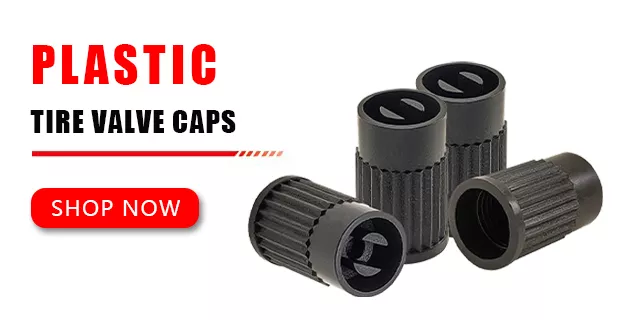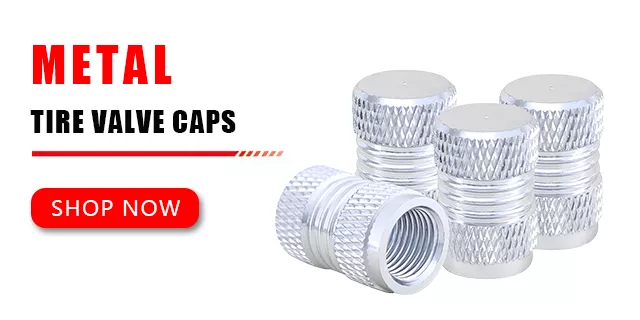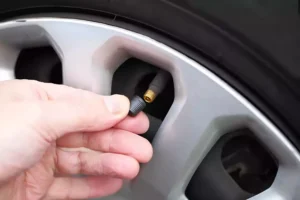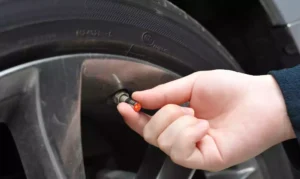





If you’ve ever wondered whether your tire cap is necessary, you’re not alone. In this blog post, we’ll answer the question: will your tire lose air without the cap? We’ll explain why valve caps are important, the risks of driving without them, and how to properly install and maintain them. So, let’s settle this once and for all – do you really need a tire valve cap?

Will my tire lose air without the tire cap?
Yes, your tire can lose air without the tire cap. The valve stem of a tire is designed to keep air inside the tire, but when it’s exposed to debris such as dirt, dust, and moisture, it can become corroded, leading to air leaks and decreased tire pressure. The tire valve cap serves as a protective cover for the valve stem, preventing debris from entering and helping to maintain proper tire pressure. Without the cap, the valve stem is exposed to the elements, increasing the risk of air leaks and decreased tire pressure.
The function of tire valve caps and why they are important:
Tire valve caps serve an important function in protecting the valve stem from debris such as dirt, dust, and moisture. When the valve stem is exposed to the elements, it can become corroded, which can lead to air leaks and decreased tire pressure over time. Tire cap also help to maintain proper tire pressure by preventing air from escaping through the valve stem. In addition, they can be used to indicate the type of gas that is used to fill the tire (such as nitrogen) and can serve as a visual cue for when tire pressure needs to be checked.The risks and consequences of driving without tire valve caps:
Driving without tire cap exposes the valve stem to dirt, dust, and moisture, which can lead to corrosion and damage. This can result in air leaks and decreased tire pressure, which can affect the safety and handling of the vehicle. In addition, it can increase the risk of blowouts and tire failures, which can be dangerous on the road.The correlation between tire valve caps and tire pressure:
Tire valve caps are important in maintaining proper tire pressure. When the valve stem is exposed to the elements, it can become corroded, leading to air leaks and decreased tire pressure. Tire valve caps also help to prevent air from escaping through the valve stem, which can cause the tire pressure to drop over time. By maintaining proper tire pressure, drivers can ensure the safety, handling, and fuel efficiency of their vehicle.How to properly install and maintain tire valve caps:
To properly install tire cap, simply screw or snap them onto the valve stem of the tire. It’s important to ensure that they are tightened securely to prevent air leaks. To maintain tire valve caps, drivers should check them regularly to ensure that they are in place and tightened properly. This can be done as part of routine tire pressure checks, which should be done at least once a month.The impact of tire valve caps on fuel efficiency:
While tire valve caps themselves do not have a direct impact on fuel efficiency, maintaining proper tire pressure with valve caps can improve fuel efficiency by up to 3%. This is because underinflated tires can cause increased rolling resistance, which leads to decreased fuel efficiency.Common misconceptions about the necessity of tire valve caps:
There are several misconceptions about the necessity of tire valve caps, including the belief that they are only decorative or that they can negatively affect tire pressure. However, tire valve caps serve an important function in protecting the valve stem and maintaining proper tire pressure. Additionally, as mentioned earlier, they can also serve as a visual cue for when tire pressure needs to be checked.
In conclusion, it’s clear that tire valve caps are an important part of maintaining proper tire pressure and avoiding potential safety hazards on the road. While it may seem like a small and insignificant detail, the absence of a valve cap can lead to air leaks, decreased tire pressure, and even tire failures. Properly maintaining tire valve caps and regularly checking tire pressure can not only help prevent these issues but also improve fuel efficiency and extend the life of your tires. So, the answer to the question “Will my tire lose air without the cap?” is a definitive yes. By taking the simple step of installing and maintaining tire valve caps, you can help ensure the safety and efficiency of your vehicle’s tire system.
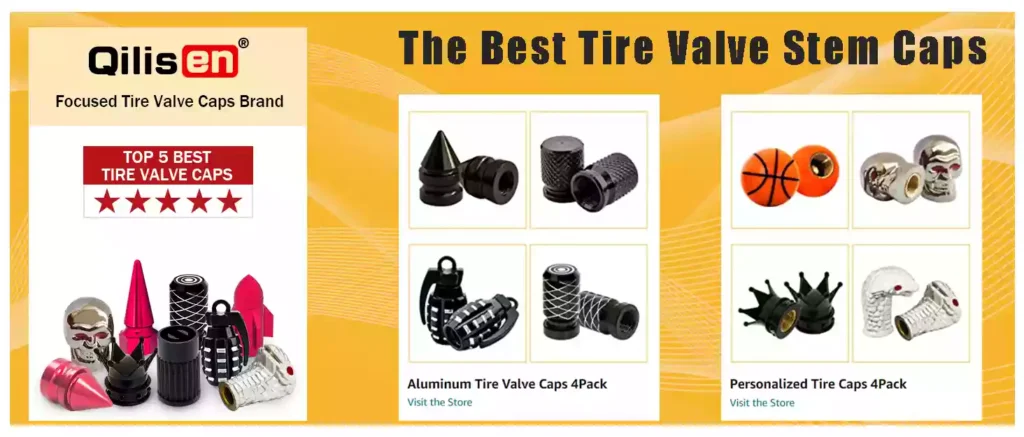
If you crave more tire valve cap buying guide, classified by individual needs, do not forget to check out the related articles:
– Tire Valve Caps Comparison for Design
– Tire Valve Caps Comparison for Material
Learn the basics about Tire Valve Caps Types and Tire Valve Caps Buying Guide.
If you need more information, check out the articles about best tire valve cap:
– Top 10 Best Sell Tire Valve Caps
– Best Tire Valve Caps Rated for Design
– Best Tire Valve Caps Rated for Plastic
– Best Tire Valve Caps Rated for Metal