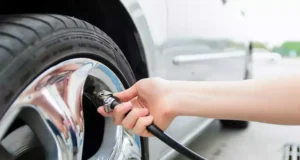





Have you ever wondered how tight your tire caps should be? In this blog post, we’ll cover everything you need to know about tire caps, including the importance of proper tire inflation and the different types of caps available. So, let’s dive in and learn how to keep your tires in great condition!
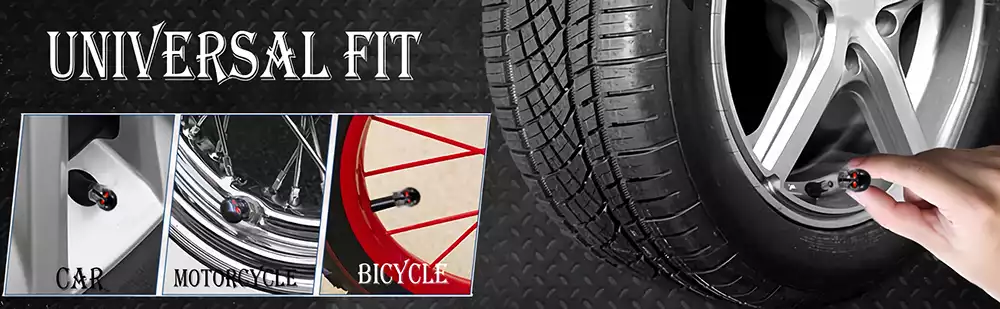
How tight should tire caps be?
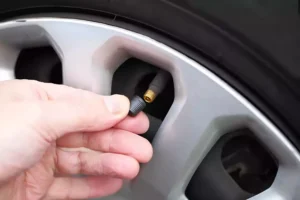
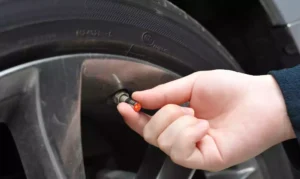
When you equip your tires with valve covers, you should get them tight enough, but not too tight. I personally recommend using manual rotation of the valve covers to achieve the best tightness, you should rotate them until you feel some resistance and then just rotate them about 1/4 turn. This will ensure that the valve cover will not come loose while driving, but will not be so tight that it will be difficult to open. Remember, properly installed tire valve covers can help prevent air leaks and extend the life of your tires, so always make sure they are properly tightened.
The importance of using tire caps for maintaining optimal tire pressure:
Using tire caps is an essential step for maintaining the optimal pressure in car tires. These caps are designed to seal the air valve on the tire, preventing air from escaping and maintaining the recommended air pressure in the tire. Maintaining the correct tire pressure is essential for optimal tire performance and safety while driving. Overinflated tires can cause excessive wear and tear on the tires and lead to decreased fuel efficiency, while underinflated tires can cause poor handling, increased risk of tire failure, and reduced fuel efficiency. By using tire caps, you can help maintain the proper tire pressure and avoid these issues.
Common mistakes people make when tightening tire caps and how to avoid them:
One of the most common mistakes people make when tightening tire caps is over-tightening them. Over-tightening the caps can cause damage to the valve stem or the cap itself, which can lead to air leakage or difficulty in removing the cap later on. On the other hand, if the caps are not tightened enough, they can become loose and fall off while driving, which can lead to air leakage, and ultimately result in a flat tire. To avoid these issues, it’s essential to tighten the tire caps to a moderate level, enough to prevent air leakage but not so tight that they become difficult to remove.
Common mistakes people make when tightening tire caps and how to avoid them:
One of the most common mistakes people make when tightening tire caps is over-tightening them. Over-tightening the caps can cause damage to the valve stem or the cap itself, which can lead to air leakage or difficulty in removing the cap later on. On the other hand, if the caps are not tightened enough, they can become loose and fall off while driving, which can lead to air leakage, and ultimately result in a flat tire. To avoid these issues, it’s essential to tighten the tire caps to a moderate level, enough to prevent air leakage but not so tight that they become difficult to remove.
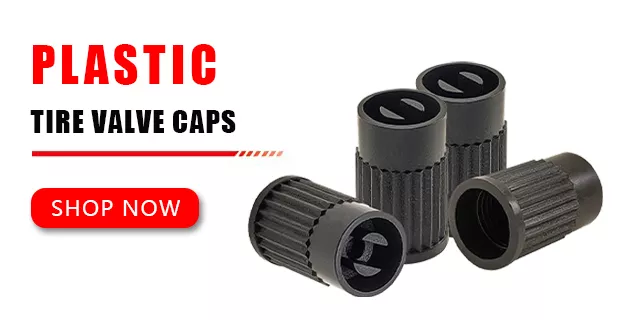
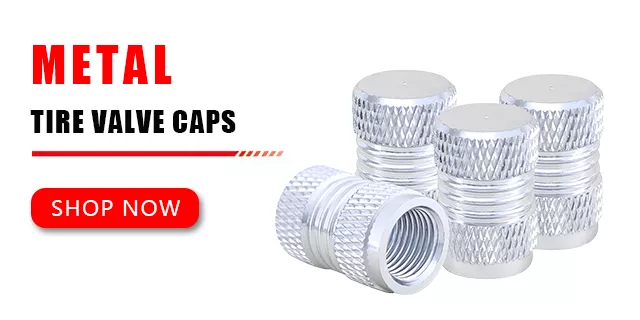
Another common mistake is using the wrong type of tire cap. There are different types of tire caps available on the market, and it’s important to choose the correct type for your car’s tire. Some caps are designed to be used only with specific types of valves, and using the wrong type can lead to air leakage or difficulty in removing the cap.
If you crave more tire valve cap buying guide, classified by individual needs, do not forget to check out the related articles:
– Tire Valve Caps Comparison for Design
– Tire Valve Caps Comparison for Material
Learn the basics about Tire Valve Caps Types and Tire Valve Caps Buying Guide.
If you need more information, check out the articles about best tire valve cap:
– Top 10 Best Sell Tire Valve Caps
– Best Tire Valve Caps Rated for Design
– Best Tire Valve Caps Rated for Plastic
– Best Tire Valve Caps Rated for Metal